
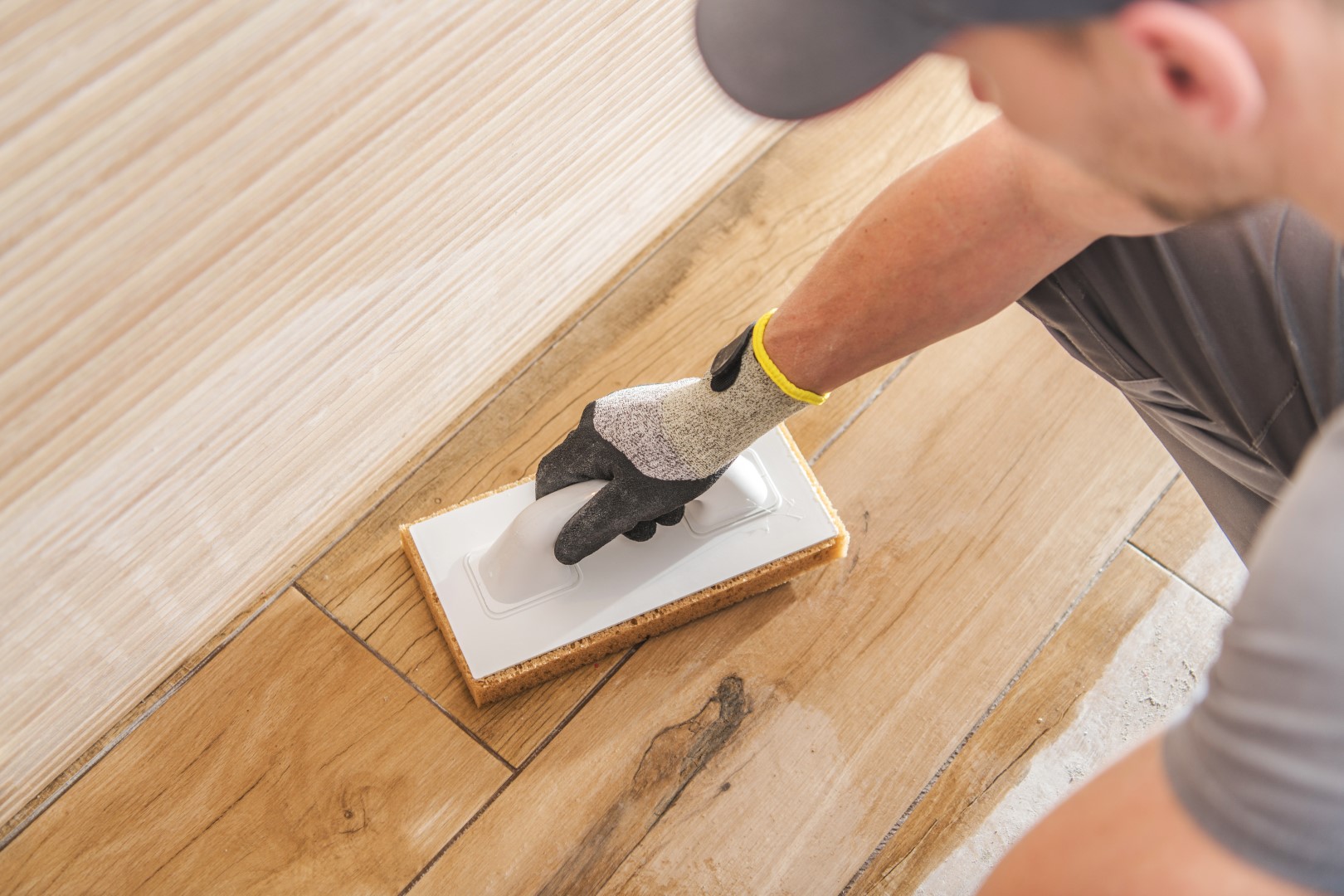
Hardwood floors have a way of showing their age gradually — a little more dullness each year, a few more scratches from foot traffic, a color that just doesn’t have the same warmth it once did. The good news is that most hardwood floors don’t need to be replaced to look new again. Floor refinishing can restore the beauty of worn hardwood at a fraction of the cost of full replacement, extending the life of floors that still have plenty of good years left in them.
In this guide, Elwood’s Flooring walks through the signs your floors need refinishing, what the process actually involves, and how to get the best results from your investment.
What Is Floor Refinishing?
Floor refinishing is the process of restoring worn hardwood floors by sanding down the existing surface to remove scratches, stains, and old finish, then applying a fresh stain and protective topcoat. Unlike full floor replacement, refinishing works with your existing hardwood, preserving the material while giving it an entirely new appearance.
This process is often paired with floor sanding, which addresses the physical wear on the wood surface, and can also include repairs to individual boards that are damaged beyond what sanding alone can fix.
Signs Your Floors Need Refinishing
Not sure if your hardwood floors are due for attention? Here are some of the most common signs:
- Visible scratches, scuffs, or dents across the surface
- A dull, faded appearance that cleaning doesn’t improve
- Discoloration or uneven coloring in high-traffic areas
- Small gaps or minor warping between boards
- A finish that feels rough or worn rather than smooth
- Water stains or minor surface damage that hasn’t penetrated deeply into the wood
If your floors show several of these signs but the wood itself is still structurally sound, refinishing is often the ideal solution rather than replacement.
The Benefits of Refinishing Over Replacement
Cost Savings
Refinishing existing hardwood is significantly less expensive than tearing out old floors and installing new ones, while still delivering a dramatic visual transformation.
Preserves Original Character
Older hardwood floors often have a quality and character that’s difficult to replicate with new material. Refinishing preserves that original wood while giving it a fresh, updated finish.
Faster Turnaround
Refinishing typically takes less time than a full floor replacement, meaning less disruption to your home and daily routine.
Environmentally Friendly
Working with your existing hardwood rather than replacing it reduces material waste, making refinishing a more sustainable choice.
Customization Options
Refinishing gives you the opportunity to change your floor’s stain color entirely, allowing you to update your home’s look without replacing the flooring material itself.
What to Expect During the Floor Refinishing Process
Understanding the general process can help homeowners feel more prepared for their project.
1. Initial Assessment A flooring professional evaluates the condition of your hardwood, checking for structural issues, gaps, or damage that may need to be addressed before refinishing begins.
2. Floor Sanding The existing finish and surface imperfections are sanded away, revealing fresh wood underneath. This step is critical to the final result, since an uneven sanding job will show through in the finished floor.
3. Repairs Any damaged boards or gaps identified during the assessment are addressed before staining begins.
4. Staining A new stain is applied to achieve your desired color, whether that’s matching the original tone or updating to a completely different look.
5. Sealing and Finishing A protective topcoat is applied to seal the wood and protect it from daily wear, moisture, and scratches. Multiple coats are often applied for durability.
6. Curing Time Newly refinished floors need time to cure fully before furniture and heavy foot traffic return to the space, which is an important factor to plan around.
The Importance of Dust-Controlled Sanding
Traditional floor sanding can generate significant dust throughout a home, settling into furniture, air ducts, and other rooms well beyond the area being worked on. Modern dust-controlled sanding technology captures dust at the source during the sanding process, keeping your home cleaner throughout the project and delivering a smoother, more consistent final result. This is worth asking about when choosing a flooring contractor, since it directly affects both the cleanliness of the process and the quality of the finished floor.
Refinishing Stairs Along With Your Floors
Stairs experience some of the heaviest daily wear in a home, yet they’re often overlooked when homeowners think about floor refinishing. Stair sanding and refinishing follows a similar process to flat flooring but requires additional care due to the shape and structure of stair treads and risers. Refinishing your stairs alongside your main floors creates a cohesive, updated look throughout your home rather than leaving a visibly worn transition between spaces.
How Long Does Refinished Hardwood Last?
With proper care, refinished hardwood floors can look great for many years before needing attention again. Factors that affect longevity include foot traffic levels, the presence of pets, how well the floors are maintained, and the quality of the finish applied during refinishing. Regular cleaning with appropriate products, prompt attention to spills, and protective furniture pads all help extend the life of your newly refinished floors.
How to Choose the Right Flooring Contractor
Not every contractor brings the same level of skill and attention to floor refinishing, which requires precision at every stage. When choosing a provider, consider the following:
- Personal Oversight — A contractor who personally oversees each job tends to deliver more consistent quality and accountability throughout the project.
- Dust-Controlled Equipment — Modern sanding technology keeps your home cleaner and produces a smoother final result.
- Clear Communication — A trustworthy contractor explains the process, timeline, and any findings honestly from consultation through completion.
- Attention to Detail — Even sanding, careful staining, and quality finish application make the difference between an average result and a truly beautiful one.
- Local Experience — A contractor familiar with the climate and common flooring conditions in your area brings valuable insight to your specific project.
Frequently Asked Questions
How long does floor refinishing typically take? Most floor refinishing projects take a few days to complete, including sanding, staining, and multiple coats of finish, plus curing time before the space is back to normal use.
Can all hardwood floors be refinished? Most solid hardwood floors can be refinished multiple times over their lifespan, though engineered hardwood has a thinner veneer layer and can typically only be refinished a limited number of times.
Do I need to move furniture out during refinishing? Yes, furniture typically needs to be removed from the work area, and it’s best to plan for reduced access to the space until the finish has fully cured.
Can I change the color of my floors during refinishing? Yes. Refinishing gives you the opportunity to select a completely new stain color, allowing you to update your home’s look without replacing the flooring itself.
Is floor refinishing messy? Traditional sanding can create significant dust, but dust-controlled sanding technology minimizes this, keeping your home cleaner throughout the process.
Should I refinish my stairs at the same time as my floors? It’s often a good idea, since stairs experience heavy wear and refinishing them alongside your main floors creates a consistent, cohesive look throughout your home.
Final Thoughts
Floor refinishing is one of the most cost-effective ways to transform the look of your home, restoring worn hardwood to a like-new appearance without the expense of full replacement. Understanding the signs your floors need attention, what the process involves, and how to choose the right contractor helps ensure a smooth project and a result you’ll enjoy for years to come.
Whether your floors have simply lost their shine over time or show visible wear from years of daily use, Elwood’s Flooring is ready to bring craftsmanship, precision, and care to your next refinishing project.