
Introduction
Flooring plays a major role in the appearance, comfort, and value of any property. The right floor improves durability, enhances interior design, and supports long-term performance.
This guide explains flooring materials, installation methods, refinishing techniques, maintenance requirements, and cost considerations. You will learn how hardwood flooring, floor sanding and refinishing, and luxury vinyl plank flooring compare so you can make informed decisions.
What Is Flooring?
Flooring is the finished surface installed over a building’s structural floor. It provides durability, comfort, appearance, and functionality.
Flooring includes materials such as hardwood, laminate, tile, carpet, and luxury vinyl plank. Each material serves different performance and design goals.
The next section explains why flooring matters.
Flooring Benefits
Flooring improves:
- Interior appearance
- Property value
- Walking comfort
- Noise reduction
- Insulation performance
- Durability against wear
Good flooring prevents premature structural damage and supports easier maintenance.
Next, let’s examine common flooring types.
Flooring Material Comparison
| Flooring Type | Durability | Water Resistance | Maintenance | Appearance |
| Hardwood | High | Moderate | Moderate | Premium |
| LVP | High | High | Easy | Realistic wood look |
| Laminate | Moderate | Moderate | Easy | Attractive |
| Tile | Very High | Excellent | Easy | Versatile |
| Carpet | Moderate | Low | Moderate | Comfortable |
Next, learn how to choose the best flooring.
How Do You Choose the Right Flooring?
The best flooring depends on:
- Room usage
- Moisture exposure
- Budget
- Design preferences
- Maintenance expectations
- Installation requirements
For example, bathrooms often benefit from waterproof flooring, while living rooms commonly use hardwood flooring.
Next, let’s explore hardwood flooring.
Flooring: Understanding Hardwood Flooring
Hardwood flooring consists of natural wood planks installed as a finished floor surface.
It offers timeless beauty and long-term value.
What Is Hardwood Flooring Made Of?
Hardwood flooring includes:
- Hardwood planks
- Subfloor
- Underlayment
- Moisture barrier
- Floor finish
- Polyurethane coating
These components work together to create a stable and durable floor system.
Next, compare solid and engineered hardwood.
Solid Hardwood vs Engineered Hardwood
| Feature | Solid Hardwood | Engineered Hardwood |
| Construction | Single wood piece | Multiple layers |
| Refinishing | Multiple times | Limited times |
| Moisture Resistance | Lower | Higher |
| Stability | Moderate | High |
| Cost | Higher | Moderate |
Engineered hardwood includes layered construction that improves dimensional stability.
Next, examine popular wood species.
What Are Oak Flooring Benefits?
Oak flooring provides:
- Excellent durability
- Strong grain patterns
- Easy refinishing
- Long lifespan
Oak remains one of the most widely used hardwood species.
Next, consider maple flooring.
What Are Maple Flooring Benefits?
Maple flooring offers:
- Smooth appearance
- Dense wood fibers
- Modern aesthetics
- High impact resistance
Many homeowners prefer maple for contemporary spaces.
Next, understand flooring foundations.
What Is a Subfloor?
A subfloor is the structural layer beneath the finished floor.
The subfloor supports flooring materials and distributes weight across the structure.
Common subfloor materials include plywood and oriented strand board.
Next, explore underlayment.
Why Is Underlayment Important?
Underlayment provides:
- Sound reduction
- Comfort
- Moisture management
- Minor leveling support
Underlayment improves flooring performance and longevity.
Next, examine moisture barriers.
What Is a Moisture Barrier?
A moisture barrier prevents water vapor from reaching flooring materials.
Moisture causes swelling, warping, and premature deterioration.
Proper moisture control protects hardwood flooring investments.
Next, review installation systems.
How Does Nail-Down Installation Work?
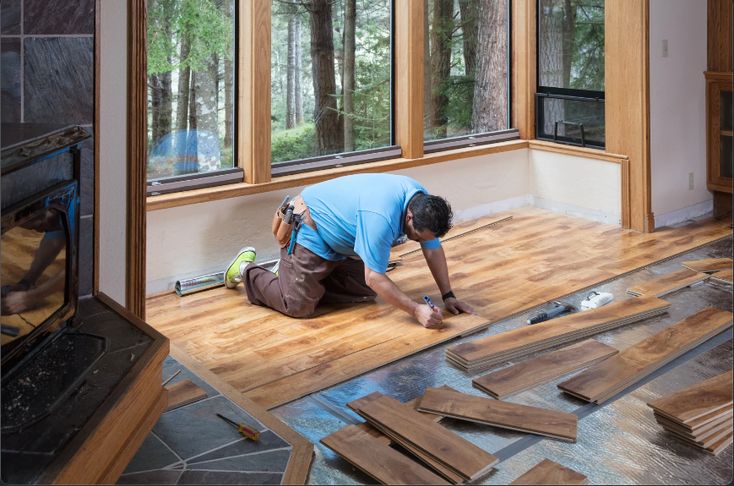
Nail-down installation secures hardwood planks directly to the subfloor.
The method creates a strong connection and minimizes movement.
This installation method is common for solid hardwood flooring.
Next, learn about board connections.
What Are Tongue-and-Groove Boards?
Tongue-and-groove boards use interlocking edges.
This design improves alignment, stability, and installation efficiency.
The system helps reduce visible gaps.
Next, examine finishing components.
What Is Wood Stain?
Wood stain changes the color of hardwood while preserving grain visibility.
Stains create customized appearances ranging from light natural tones to dark finishes.
Next, understand protective finishes.
What Is Floor Finish?
Floor finish protects wood surfaces from wear and moisture.
Common finishes include:
- Oil-based products
- Water-based products
- Polyurethane coatings
The finish directly affects durability.
Next, explore polyurethane coatings.
What Is Polyurethane Coating?
Polyurethane coating creates a protective layer above wood surfaces.
Benefits include:
- Scratch resistance
- Moisture resistance
- Easy cleaning
- Extended floor life
Next, learn how refinishing restores floors.
What Is Floor Sanding & Refinishing?
Floor sanding and refinishing restores worn hardwood surfaces.
The process removes damaged finish and exposes fresh wood underneath.
This process extends floor life without complete replacement.
Next, identify when refinishing is necessary.
When Should Floors Be Sanded and Refinished?
Common signs include:
- Deep scratches
- Dull appearance
- Surface discoloration
- Finish wear
- Minor water damage
Timely refinishing prevents more extensive repairs.
Next, examine sanding equipment.
What Is a Drum Sander?
A drum sander removes old finish and levels wood surfaces.
It performs aggressive sanding during the initial restoration phase.
Next, review edge sanding.
What Is an Edge Sander?
An edge sander reaches areas near walls and corners.
It complements the drum sander by addressing spaces larger machines cannot reach.
Next, understand grit selection.
Why Do Sandpaper Grits Matter?
Sandpaper grits control material removal.
Lower grits remove more material while higher grits create smoother finishes.
Proper grit progression improves final appearance.
Next, learn about dust control.
What Is a Dust Containment System?
A dust containment system captures airborne particles during sanding.
Benefits include:
- Cleaner work areas
- Better air quality
- Easier cleanup
- Improved finish results
Next, examine final preparation.
What Is a Buffing Machine?
A buffing machine smooths surfaces before final coating application.
Buffing creates uniform texture and enhances finish adhesion.
Next, explore repairs.
What Is Wood Filler?
Wood filler repairs:
- Small cracks
- Nail holes
- Minor imperfections
The filler creates a smoother finished appearance.
Next, understand full restoration.
What Is Hardwood Restoration?
Hardwood restoration combines:
- Surface preparation
- Sanding
- Repairs
- Staining
- Protective coating application
The process renews aging floors and restores appearance.
Next, explore luxury vinyl plank flooring.
What Is Luxury Vinyl Plank Flooring?
Luxury vinyl plank (LVP) is a synthetic flooring product designed to mimic natural wood.
It combines attractive appearance with water resistance.
Next, examine its construction.
What Is the Wear Layer?
The wear layer protects LVP from:
- Scratches
- Stains
- Daily wear
A thicker wear layer generally increases durability.
Next, explore structural components.
What Is the Core Layer?
The core layer provides stability and strength.
Different core technologies affect performance and comfort.
Next, understand waterproof flooring.
What Is Waterproof Flooring?
Waterproof flooring resists moisture penetration.
Many LVP products provide excellent performance in kitchens, bathrooms, and basements.
Next, review installation systems.
What Is a Click-Lock System?
A click-lock system allows planks to connect without adhesive.
Benefits include:
- Faster installation
- Simplified repairs
- Reduced labor costs
Next, compare SPC and WPC products.
SPC Flooring vs WPC Flooring
| Feature | SPC Flooring | WPC Flooring |
| Density | Higher | Lower |
| Durability | Higher | Moderate |
| Comfort | Moderate | Higher |
| Stability | Excellent | Very Good |
| Moisture Resistance | Excellent | Excellent |
Both options are popular forms of rigid core flooring.
Next, explore floor transitions.
What Are Floor Transitions?
Floor transitions connect different flooring surfaces.
They improve appearance and reduce tripping hazards.
Common transition types include:
- Reducers
- T-moldings
- End caps
- Stair noses
Next, review installation procedures.
How Is Vinyl Plank Installation Performed?
The process includes:
- Subfloor preparation
- Underlayment installation
- Layout planning
- Click-lock assembly
- Transition installation
Proper installation improves durability and appearance.
Next, learn maintenance best practices.
How Should Flooring Be Maintained?
Effective maintenance includes:
- Regular sweeping
- Immediate spill cleanup
- Protective furniture pads
- Routine inspections
- Appropriate cleaning products
Maintenance prevents premature wear.
Next, identify common mistakes.
Common Flooring Mistakes
Avoid:
- Ignoring moisture issues
- Skipping underlayment
- Using incorrect cleaners
- Poor subfloor preparation
- Delaying refinishing
These mistakes reduce floor lifespan.
Next, consider project costs.
What Factors Affect Flooring Costs?
Major factors include:
- Material type
- Installation complexity
- Room size
- Subfloor repairs
- Finish selection
- Labor rates
Accurate estimates require site-specific evaluation.
FAQs
Is hardwood flooring worth the investment?
Yes. Hardwood flooring offers long service life, refinishing potential, and strong resale appeal.
How long does floor refinishing take?
Most projects take several days depending on floor size, repairs, and finish curing time.
Can luxury vinyl plank be installed in bathrooms?
Yes. Many LVP products are waterproof and suitable for moisture-prone areas.
How often should hardwood floors be refinished?
The timeline varies based on wear. Many floors require refinishing after several years of use.
What flooring works best for high-traffic areas?
LVP, SPC flooring, and quality hardwood flooring perform well in high-traffic spaces.
Does underlayment improve flooring performance?
Yes. Underlayment improves comfort, sound control, and moisture management.
Is engineered hardwood real wood?
Yes. Engineered hardwood includes a real wood surface layer over a layered core structure.
Conclusion
Flooring impacts durability, comfort, appearance, and property value. Whether you choose hardwood flooring or luxury vinyl plank, proper installation and maintenance are essential for long-term performance. Elwood’s Flooring provides quality flooring solutions designed to enhance the beauty and longevity of your space.
Ready to upgrade your floors? Contact Elwood’s Flooring today for expert flooring solutions that combine beauty, durability, and lasting value.